Is Feng Shui Real? Evidence, Psychology, Limits

Is feng shui real? A skeptical-friendly answer: culture and room design can help; qi, luck, and wealth claims lack proof. Try a belief-optional home test.

Short answer: feng shui is real as a living cultural tradition, and many of its room habits overlap with ordinary design psychology—but claims that invisible energy (qi) steers luck, money, or medical outcomes are not established by controlled evidence. If you typed is feng shui for real, feng shui is real, or is feng shui true, you are asking the same three-part question: culture, comfort, or magic?
This piece stays skeptical-friendly. It does not promise wealth or healing. It does not dump bagua rules. It gives you a way to judge headlines—and a small, belief-optional test you can run tonight.
The three-claim test
Before you say yes or no, name which claim you mean: (1) cultural history, (2) rooms that feel safer and easier to use, or (3) metaphysical luck outcomes. Mixing those three is how “is feng shui real” becomes a shouting match.
| Claim | Plain-language question | Honest status |
|---|---|---|
| Culture | Did people really develop this practice over centuries? | Yes—documented tradition |
| Design / psychology | Can layout, light, and clutter change how you feel and function? | Often yes, via ordinary mechanisms |
| Metaphysical outcomes | Does qi placement reliably change wealth, fate, or cure disease? | Not supported by controlled science |
You can respect the tradition, use the design layer, and still refuse the third claim. That is not fence-sitting; it is sorting.
What “real” means here
Feng shui (literally “wind–water”) grew as a Chinese approach to siting and arranging places so people and landscape fit together. In that sense, feng shui is real the way a craft or school of thought is real: texts, teachers, buildings, and habits exist.
Online debates usually skip that layer and jump to “does the universe reward my frog statue?” Those are different sentences. Cultural reality does not automatically prove causal magic—and skepticism about charms does not erase thousands of years of practice.
Does feng shui work?
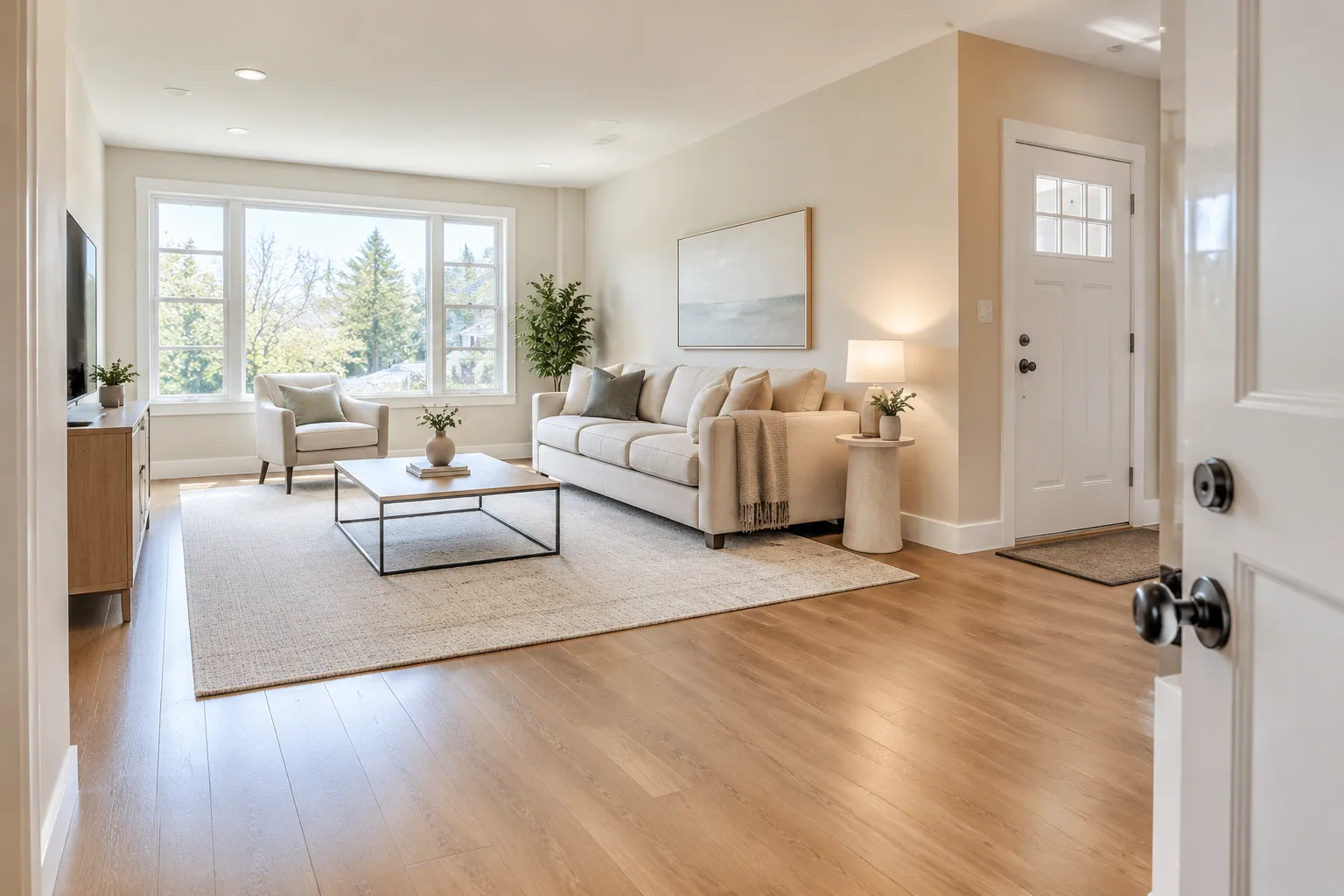
Layout changes can work the way good design works: clearer paths, better light, less visual noise, and a safer sightline to the door often feel better—without proving that qi moves money. When people ask does feng shui work, answer with what outcome and what mechanism.
What tends to help in everyday homes:
- Clutter down — fewer piles means less visual load and easier cleaning.
- Daylight and air — open curtains, clear windows, circulate stale rooms.
- Command-style seating or sleep — solid backing and a view of the entrance (not lying in the doorway’s straight rush).
What does not have a solid evidence trail:
- Compass “luck sectors” reliably predicting promotions
- Crystals, frogs, or wind chimes as causal wealth engines
- Guarantees about health, fertility, or relationship fate from furniture moves alone
If a room feels calmer after you rearrange it, that improvement can be genuine. The explanation may simply be cleaner function and a restored sense of control—not invisible currency.

Why rearranging can feel like proof
Your nervous system cares about entrances, backs, light, and mess. Sit where you cannot see the door and many people stay half-alert. Sleep in a lane aimed at the hallway and traffic feels closer. Live in a dark, piled room and your brain keeps logging unfinished tasks.
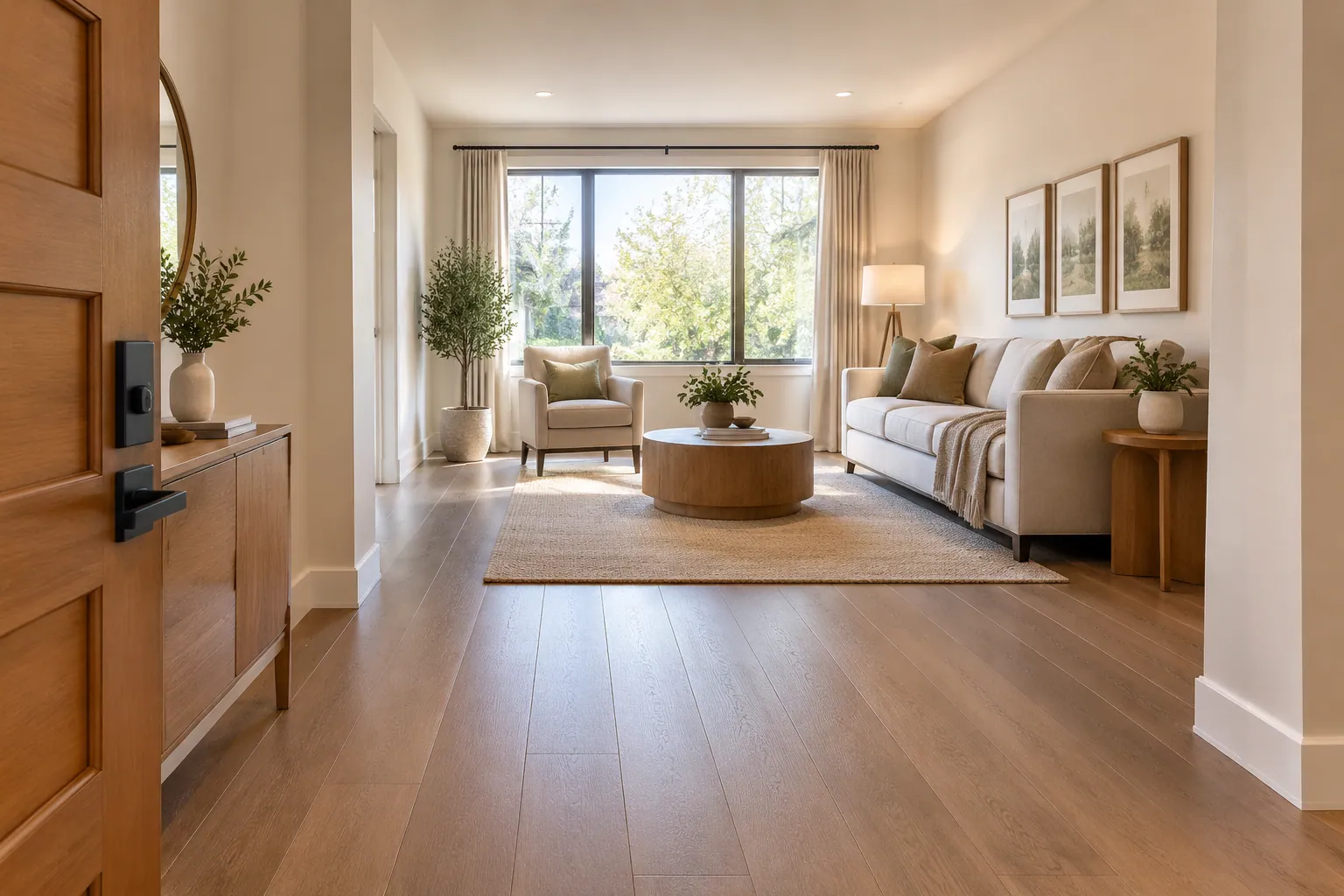
Traditional advice often lands on the same geometry modern designers rediscover: protect your back, see who enters, keep circulation open, bring nature and light indoors. Those overlaps are useful. They are not a lab confirmation that “sha qi” is a particle.
People also remember the wins. You moved the desk, then a project succeeded—so the desk gets the credit. Confirmation bias is ordinary psychology, not a personal failing. Use it as a reminder to test small changes and watch what actually improves sleep, focus, or ease of living.
What the evidence does not show
Serious reviews and philosophy-of-science writing tend to agree on the hard line: presenting feng shui as a tested system that measures and steers life-force energy does not meet scientific standards. Environmental studies may correlate landscape or indoor features with comfort preferences. That is not the same as proving luck formulas.
So keep these boundaries:
- No medical claims from décor alone
- No wealth guarantees from “activating a corner”
- No fear sales about doors or numbers you cannot change
Ritual objects can still matter to you as symbols. Meaning is allowed. Marketing that sells guaranteed outcomes is the problem.
Feng shui for real life: a belief-optional test
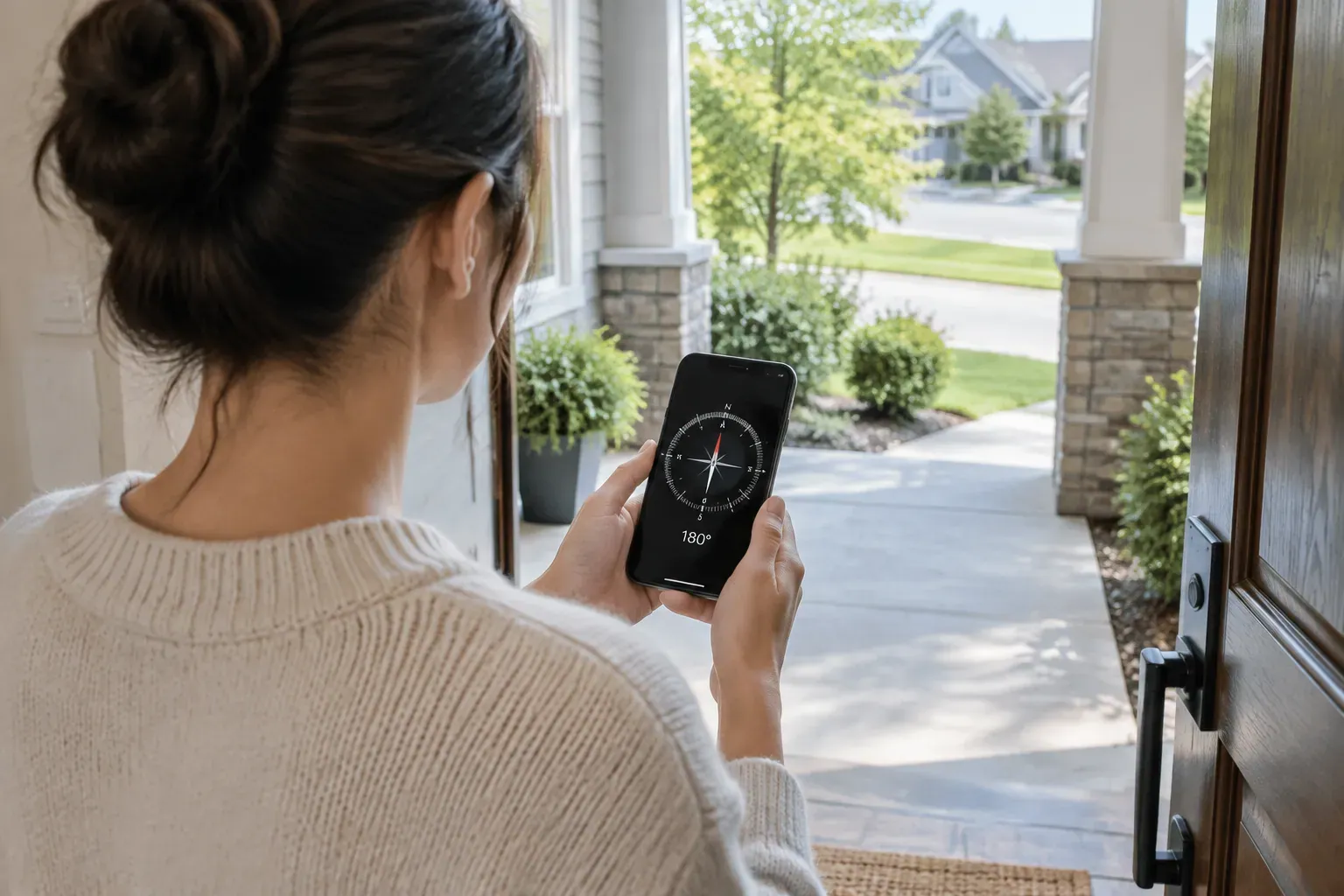
You do not need to believe in qi to try three checks tonight: clear the main walk path, face the door from bed or desk with solid backing, and restore daylight plus fresh air. That is feng shui for real life without a shopping cart.
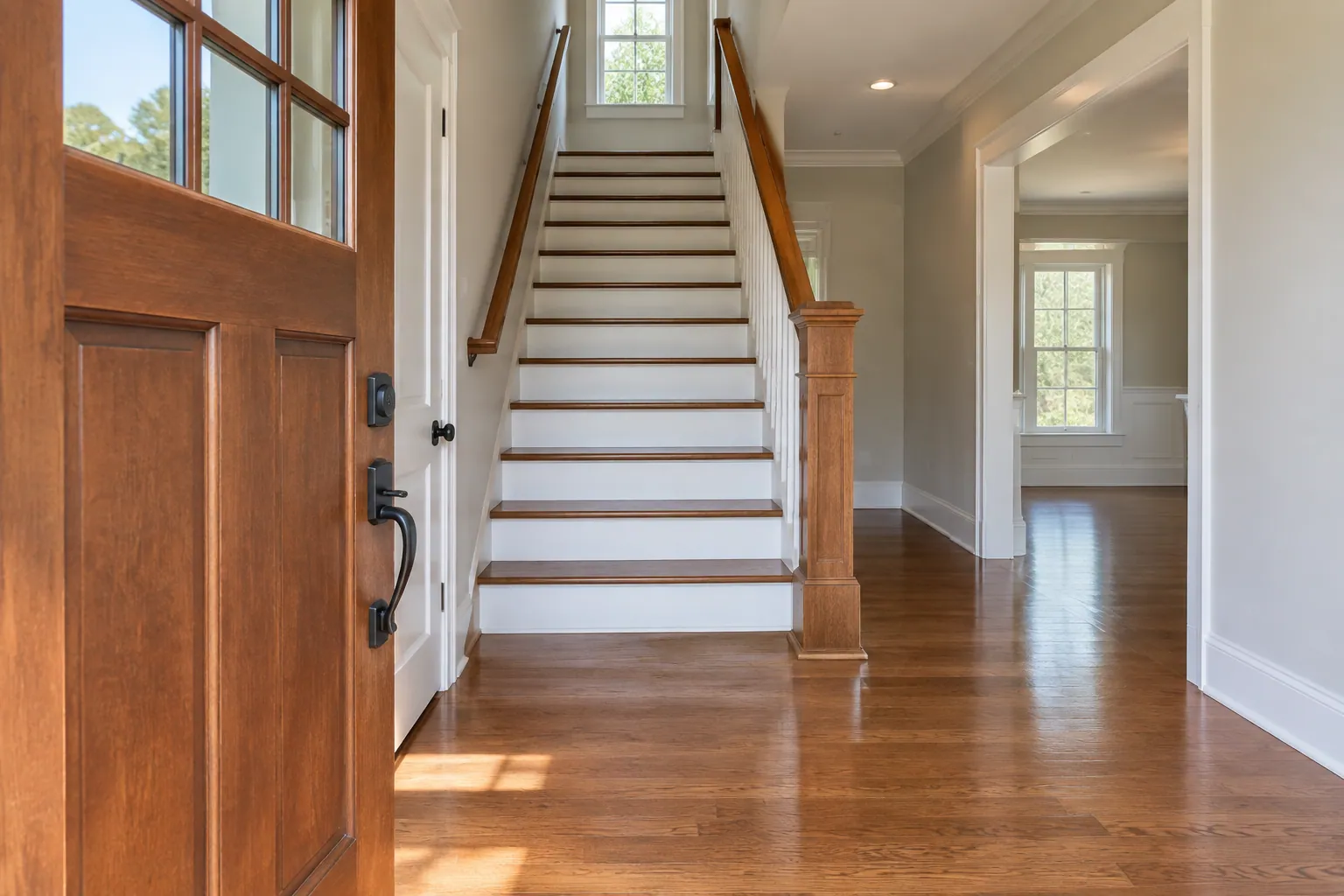
- Path — From the main door to the room you use most, remove one obstacle (shoes pile, chair, laundry basket). Walk it twice. Notice if your shoulders drop.
- Sightline — At the pillow or desk chair, can you see the entrance with a small head turn? Is something solid behind you? If not, shift a few inches off the door’s straight band when the room allows.
- Light and air — Open curtains fully for ten minutes; crack a window if weather allows. Note alertness—not “luck.”
Score the experiment by sleep quality, how fast you can find things, and whether the room feels easier—not by whether a paycheck arrived. If nothing measurable improves after a week of consistent layout habits, you learned something honest. If it does improve, keep the habit and skip the lore you do not need.

Red flags worth walking away from
Leave when a consultant or product page:
- Guarantees money, marriage, or cures
- Insists you buy expensive “cures” before basic cleaning and layout
- Fuels anxiety about features you cannot change (and offers only paid charms)
- Crowds out real fixes—mold, broken locks, unsafe wiring—with symbolic ones
Healthy curiosity rearranges a chair. Unhealthy marketing rearranges your fear.
If you want the practical next step
Once the three-claim test is clear, the useful follow-up is not another argument about superstition—it is learning how to read a floor plan for light, flow, and furniture that supports daily life. Start with a calm, design-first walkthrough of home design with feng shui: treat it as spatial problem-solving you can verify with your own eyes.
FAQ
Is feng shui for real, or just superstition?
Both labels are too blunt. The tradition is real; some popular luck claims behave like superstition when sold as guarantees. Design habits that reduce clutter and improve sightlines are ordinary and testable.
Is feng shui true?
True as history and craft, partly useful as environmental habit, unproven as a fortune-control system. Ask which layer someone means.
Is feng shui scientifically proven?
No as a complete scientific theory of qi and luck. Some overlapping design effects have support from broader environmental psychology—not from proving traditional energy maps.
Is feng shui a religion?
It is not a religion in the usual sense. It grew alongside Chinese philosophical and folk ideas. People of many beliefs (or none) use the design layer.
Can I try this in an apartment?
Yes. Work with your unit door, windows you control, and furniture you can move. Renters especially benefit from belief-optional checks that need no construction.
Tonight, run the three checks once, write one sentence about what felt different, and only then decide which claims—if any—you still want to explore. Keep the useful room habits; leave the guarantees behind.